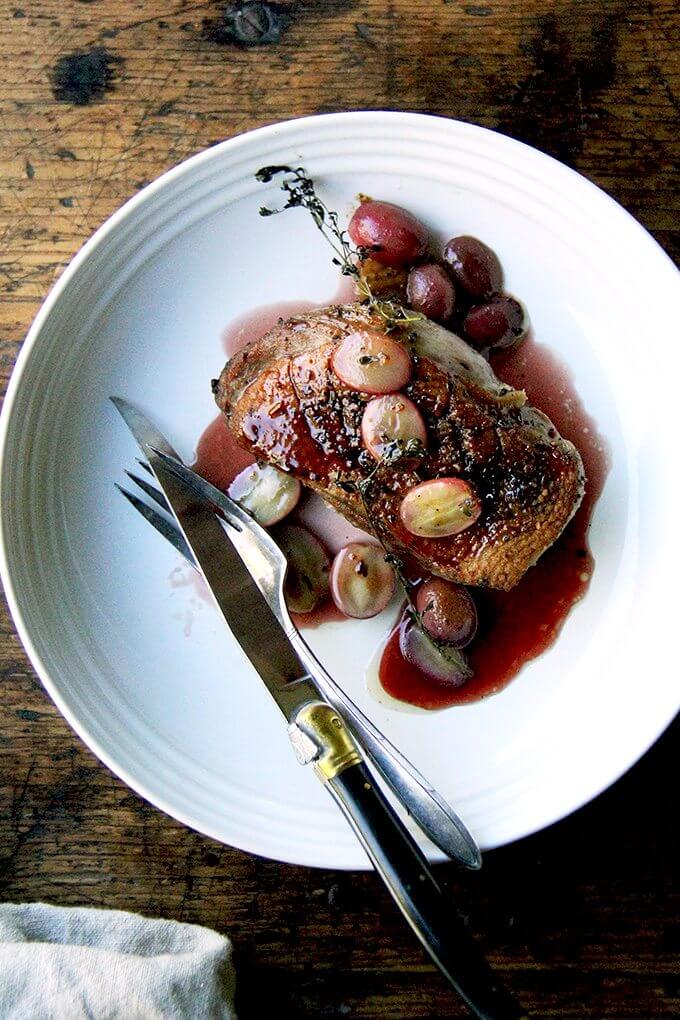
Easy Perfection: Pan-Seared Duck Breast for Impressive Dinners
Dreaming of a gourmet dinner that looks like it took hours but comes together in a flash? Pan-seared duck breast is your answer. With its lusciously crisp skin and tender, medium-rare flesh, it’s a dish that typically graces the menus of upscale restaurants. But what if we told you that the secret to perfectly cooked duck breasts, achieving that professional finish right in your own kitchen, is surprisingly simple? Prepare to transform your home dining experience and perhaps even get inspired by the culinary excellence often associated with brands like Le Creuset.
Unlocking the Secret to Restaurant-Quality Duck at Home
For many home cooks, duck breast seems intimidating—a dish best left to professional chefs. The pursuit of that elusive, deeply browned, crackling skin and perfectly pink interior often leads to disappointment. However, the path to restaurant-caliber duck is far less complex than you might imagine. In fact, it hinges on a counter-intuitive technique that flips conventional searing wisdom on its head.
Our inspiration often comes from unexpected places, sometimes from the pages of a well-loved cookbook, like the one from Le Creuset. There, amidst recipes designed to celebrate elegant home cooking, lies a technique that promises to elevate your duck game. It’s a method that dispels the myth of needing a sous-vide machine or a team of culinary experts, revealing that the magic happens with just an oven-proof skillet and a little patience. This realization is often a delightful surprise—that something so impressive can be so straightforward to achieve. To dive deeper into this specific approach, you might find more insights in Le Creuset's Secret: Restaurant-Quality Duck Breasts at Home.
The Revolutionary Cold Pan Method: A Game Changer
Forget the screaming hot skillet technique you might have learned for searing. The true game-changer for duck breast is the "cold pan" method. This isn't just a minor tweak; it's a fundamental shift that guarantees superior results every single time. Here’s why it works:
- Even Fat Rendering: When you place scored duck breast, skin-side down, into a cold pan and slowly bring up the heat, the fat beneath the skin has ample time to render out gradually. This slow rendering is crucial for achieving truly crisp skin without burning it.
- Perfectly Crispy Skin: As the fat renders, the skin slowly crisps up, becoming beautifully golden brown and incredibly shatter-crisp—a hallmark of expertly cooked duck.
- Moist, Medium-Rare Flesh: By the time the skin is perfectly rendered and crisp, the meat itself has gently come up to temperature, allowing for a perfectly even medium-rare cook without overcooking the delicate flesh.
This technique prevents the dreaded rubbery skin and unevenly cooked meat often associated with high-heat searing. It’s a simple adjustment that yields dramatically better outcomes, making it the cornerstone of our "easy perfection" philosophy for duck breast. For a more detailed breakdown of this essential technique, be sure to check out Cold Pan Searing: Master Crispy Skin Duck Breasts Every Time.
Beyond the Pan: Finishing and Flavor Pairings
While the cold pan method handles the primary searing, a brief finish can ensure ideal doneness and meld flavors. After rendering the skin, a quick flip to sear the other side, followed by a few minutes in a moderate oven if needed, ensures the duck reaches a perfect medium-rare (around 130-135°F / 54-57°C). Resting the duck for 5-10 minutes after cooking is non-negotiable; it allows the juices to redistribute, guaranteeing a succulent bite.
The beauty of duck breast lies in its versatility. It pairs exceptionally well with sweet and sour notes. Think:
- Classic Port Wine Sauce: Rich, slightly sweet, and tangy, it beautifully complements the duck's richness.
- Berry Gastrique: A reduction of fruit (like cherries, blackberries, or cranberries), vinegar, and sugar creates a vibrant, restaurant-quality accompaniment.
- Thyme-Roasted Grapes: As mentioned in some gourmet circles, roasting grapes with a touch of thyme brings out their sweetness and acidity, offering a delightful counterpoint.
- Simple Sides: A creamy potato gratin, roasted asparagus, or a light green salad with a vinaigrette can complete your impressive meal without overwhelming the star of the plate.
Crafting the Perfect Sauce: A Culinary Companion
A truly great pan-seared duck breast is often elevated by an equally impressive sauce. And just like the duck itself, a "restaurant-caliber" sauce doesn't have to be complicated. The beauty often lies in simplicity and leveraging the flavors already in your pan.
After you've removed the duck breasts to rest, pour off most of the rendered duck fat, leaving just a tablespoon or two. This flavorful fat forms the base for a quick pan sauce. Deglaze the pan with a splash of red wine, port, or even balsamic vinegar, scraping up any delicious browned bits (fond). Reduce this liquid slightly, then add a touch of broth (chicken or duck) and perhaps a spoonful of fruit jam or a drizzle of maple syrup for sweetness and body. Simmer until slightly thickened, then season to taste. A knob of cold butter whisked in at the end can add a luxurious gloss and richness. This simple technique transforms residual flavors into a sophisticated sauce that truly completes the dish.
Mastering the Pan-Seared Duck Breast: Step-by-Step Guide
Ready to create your own masterpiece? Here’s a detailed guide to achieving perfect pan-seared duck breast every time:
- Preparation is Key:
- Pat duck breasts thoroughly dry with paper towels. This is crucial for crisp skin.
- Score the skin in a crosshatch pattern, being careful not to cut into the meat. This helps fat render evenly and prevents the skin from curling.
- Season generously with salt and freshly ground black pepper on both sides.
- The Cold Pan Sear:
- Place the seasoned duck breasts, skin-side down, in a cold, heavy-bottomed, oven-proof skillet (a cast iron or stainless steel pan is ideal).
- Turn the heat to medium-low. This allows the fat to render slowly.
- Let the duck cook undisturbed on the skin side for 10-15 minutes, or until a significant amount of fat has rendered out, and the skin is deep golden brown and crispy. Periodically pour off excess rendered fat from the pan.
- Flip and Finish:
- Flip the duck breasts to the flesh side. Sear for 2-3 minutes.
- Transfer the skillet to a preheated oven (around 375°F / 190°C) for another 3-5 minutes, or until the internal temperature reaches your desired doneness (130-135°F / 54-57°C for medium-rare).
- Rest and Slice:
- Remove the duck from the oven and transfer it to a cutting board.
- Loosely tent with foil and let rest for at least 5-10 minutes. This is vital for juicy duck.
- Slice the duck breasts against the grain into ½-inch thick pieces.
- Serve:
- Arrange the sliced duck on plates, drizzle with your chosen sauce, and serve immediately with your favorite accompaniments.
Why Le Creuset for Your Duck Journey?
While any good oven-proof skillet can work, investing in quality cookware, like that from Le Creuset, can significantly enhance your cooking experience and results. Their cast iron skillets offer exceptional heat retention and even distribution, which are paramount for the cold pan searing method. The consistent, gentle heat allows for superior fat rendering and browning, leading to an even crispier skin and more uniformly cooked duck.
Imagine mastering the secret to perfectly cooked duck breasts, achieving restaurant-quality results in your own kitchen. And what if you could do it with premium tools, perhaps even winning some in a Le Creuset giveaway? While we can't promise a giveaway, we can attest to the difference that quality equipment makes in transforming home cooking into a truly gourmet endeavor. It's about empowering yourself with the right tools and techniques to create culinary magic.
The journey to culinary perfection with pan-seared duck breast is an incredibly rewarding one. By embracing the simple yet revolutionary cold pan method, you unlock a world of gourmet possibilities at home. This technique, combined with thoughtful sauce pairings and quality ingredients, proves that an impressive, restaurant-caliber meal is well within your reach. So, open that bottle of wine, grab your skillet, and prepare to delight your senses—and your guests—with an unforgettable dining experience.
